
 (210) 510-9193
SEO for Car Dealerships: Website Content and Local Search


Technical guidance and page metadata reviewed October 29, 2026. The original publication date and screenshots are retained. Keyword figures, rankings and interfaces from the original guide are historical third-party examples, not current measurements or promised results.
How do you pull off car dealer SEO the right way?
This guide explains keyword research, useful dealership content and accurate local business information. Evaluate those tasks against your actual website, customers and available resources.
We're going to cover:
- Where SEO Can Help a Dealership
- How to Execute Keyword Research for Car Dealerships
- Local Information and Business Profile Work
- Relevant Links and Useful References
And a lot more. Let’s get started!
Why Is SEO for Car Dealerships Important?
The original guide used the keyword estimates pictured below. Ahrefs explains how its country-level monthly search averages and update dates work.
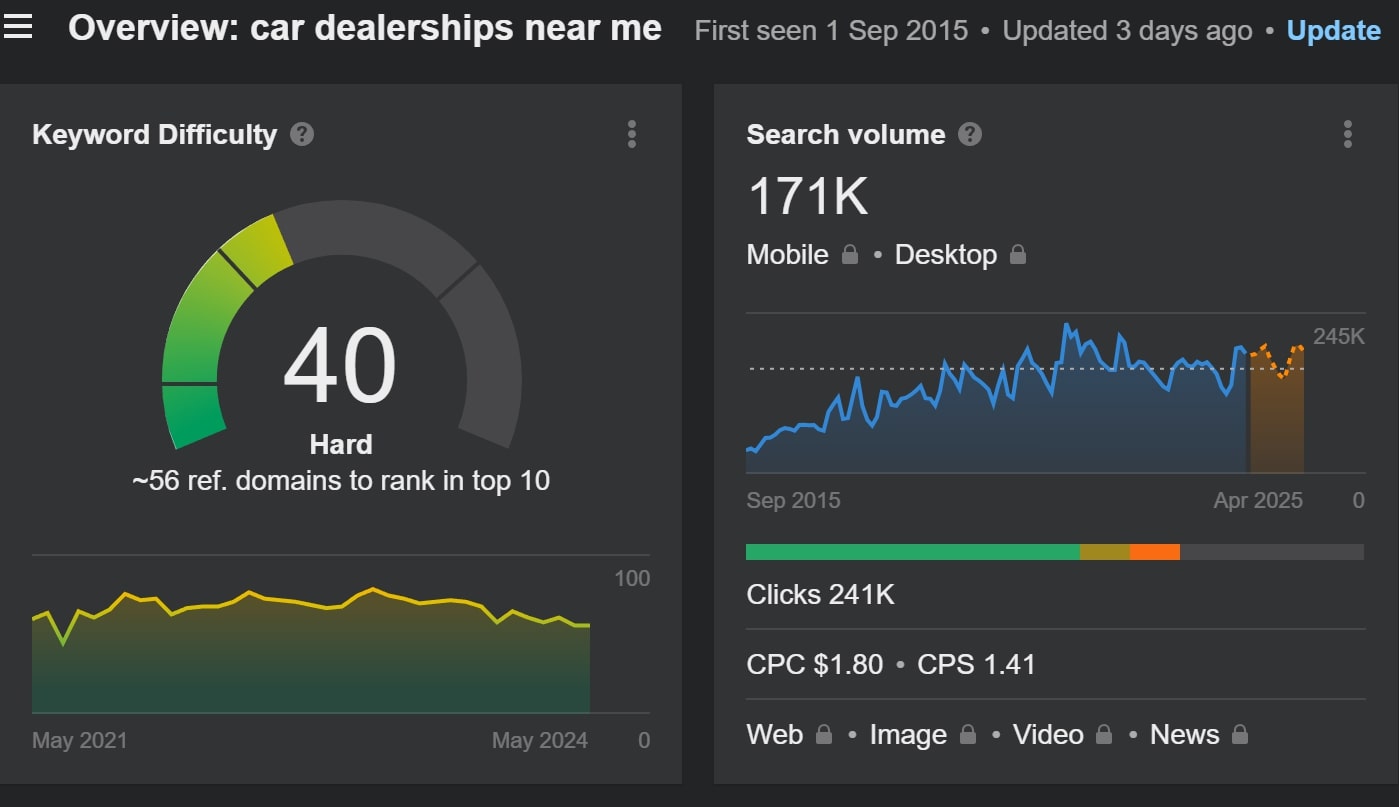
Search can help someone find a vehicle, compare dealerships or investigate a service question. Use the actual inventory and services you offer to choose which of those visits you want to support.
The original guide used Southway Ford in San Antonio as an example of a third-party keyword report.
That report listed 3,029 observed keywords. Read the count in its historical tool, date, country and database context.
Here are some keyword estimates included in the original example:
- Ford Dealership near me - Over 109,000 monthly Google searches
- Car Dealerships - More than 54,000 monthly Google searches
- 2024 Ford Bronco Raptor - 28,100 monthly Google searches
For your own list, note the customer question, the relevant inventory or service and the locations you can serve. Compare national estimates with the dealership's actual inquiry sources and current local results.
So how do they do it?
What's Car Dealer SEO?
Car dealer SEO helps people and search engines understand a dealership's inventory, services and useful information. The website should help a visitor find a relevant vehicle or service, understand the next step and contact the team.
Use accepted inquiries and the dealership's own sales records to evaluate business outcomes separately from search visibility.
Google uses multiple systems and signals. Its ranking-systems guide describes page-level assessment alongside site-wide signals.
This is why car dealership SEO can be so tough. It takes lots of knowledge and expertise to do it right.
But here's the thing:
Even if you want to hire out your SEO, you'll still need to know the differences between good and bad SEO practices. The last thing you want is to waste your money on agencies that can't actually help.
Why is SEO Important for Car Dealerships?
Social posts can introduce vehicles, answer questions or keep a dealership familiar. Search can connect with someone actively investigating a model, a nearby dealer or a service. A customer may use several channels before deciding.
Match the destination to the question. Someone searching a specific model should be able to find accurate vehicle details and availability; someone searching for service should find the work offered and how to request it.
Use the inquiry process to establish the person's actual requirements and timing. When choosing search priorities, inspect the current results for those tasks and look for information your dealership can supply well.
Keyword Research for Car Dealerships
Keyword research is one useful investigation into how people describe their needs. Some terms can also inform a separate ad campaign, whose targeting, costs and measures need their own plan.
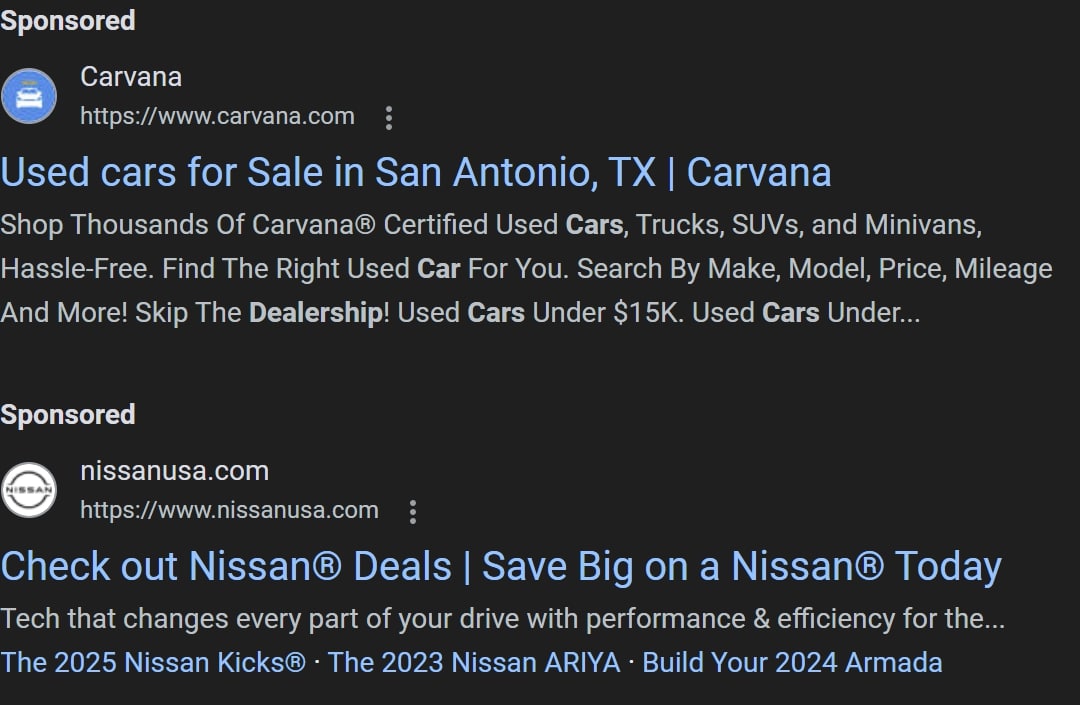
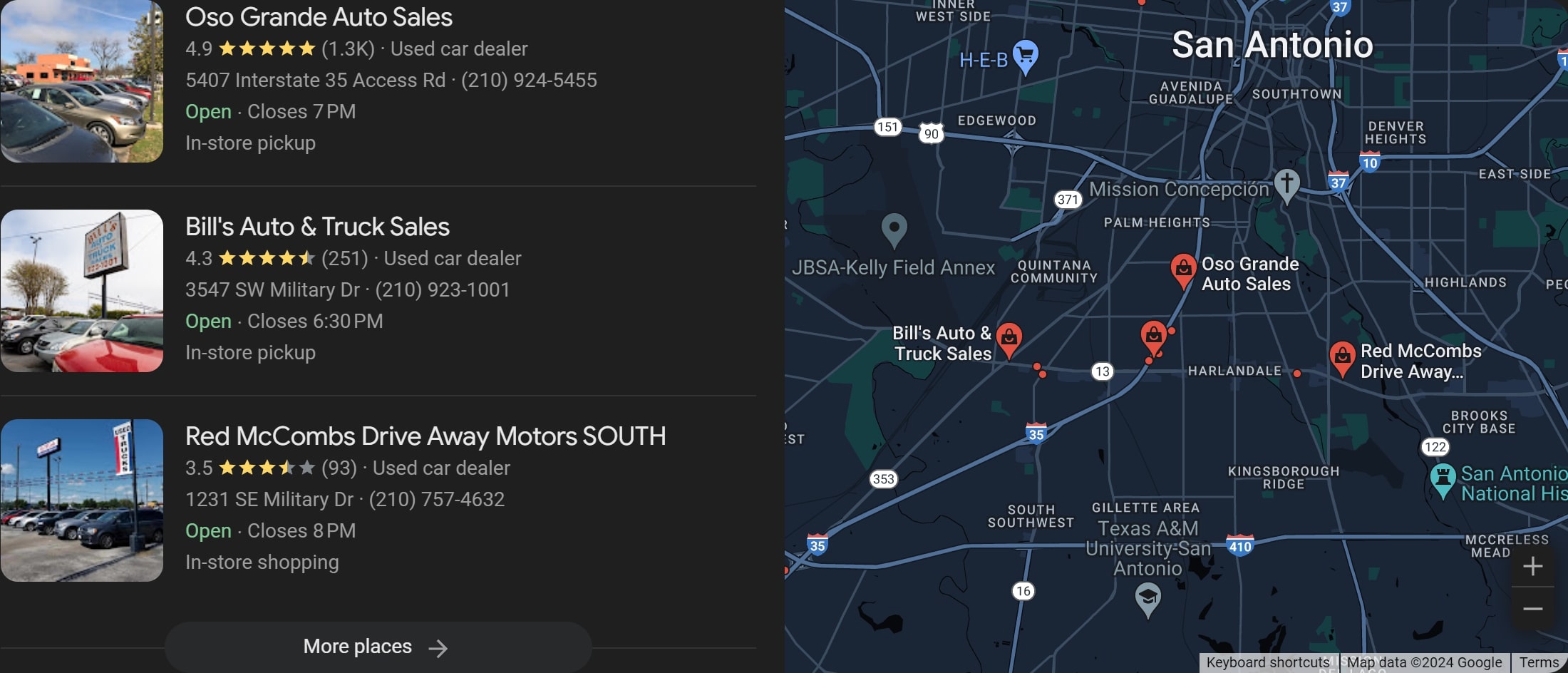
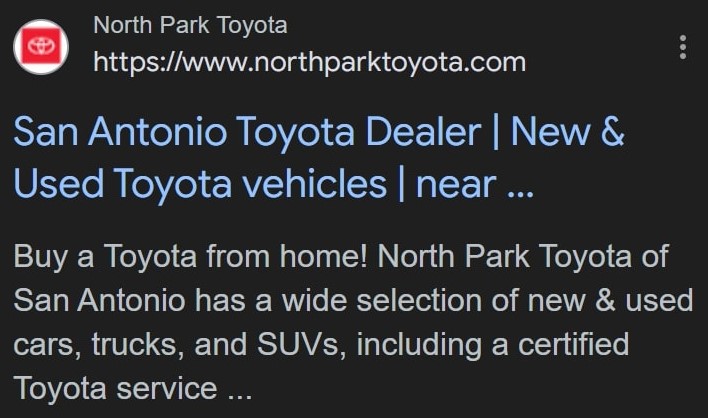
Organic results, local listings and paid ads use different mechanisms. These historical screenshots illustrate the channels; they do not show that SEO work guarantees a position in any of them.
Google Ads requires a separate campaign and budget. Eligible ads enter an auction. Read Google's auction explanation.
Eligible business listings may appear in local results:
Organic search is another possible route to discovery:
For each accepted inquiry, record the source, requested vehicle or service and whether the dealership could help. Compare those records with discovery and click data when deciding where to invest effort.
But here's something to keep in mind:
Depending on the query and context, a search such as "car dealerships near me" may show ads, local results and organic listings in different arrangements.
Their appearance and order vary; Google's visual-elements guide explains that presentation can depend on device, country, language and other factors. Choose channels according to eligibility, budget and actual business needs.
Doing Keyword Research for Your Car Dealership Website
So I'm a web developer. I've built lots of sites and have gotten a chance to see what works and what doesn't.
Start with a list of recurring customer questions and the pages that already answer them. Available search data can help identify useful language and missing information.
So How Do You Do Keyword Research Anyway?
Begin with customer questions and any Search Console data available for the website. A keyword tool can help investigate additional terms; the original walkthrough below uses Ahrefs.
If you're not looking to spend money on Ahrefs, here's a link to Google Keyword Planner. It should be enough to get you started:
The following Ahrefs walkthrough uses the interface shown in the original guide. Current features, labels and prices may differ.
(Note: The other websites I mentioned are pretty similar, so you should be able to follow along on any of them.)
First, we head over to the Keyword Explorer page. Then we put in a few keywords we think people might be searching.
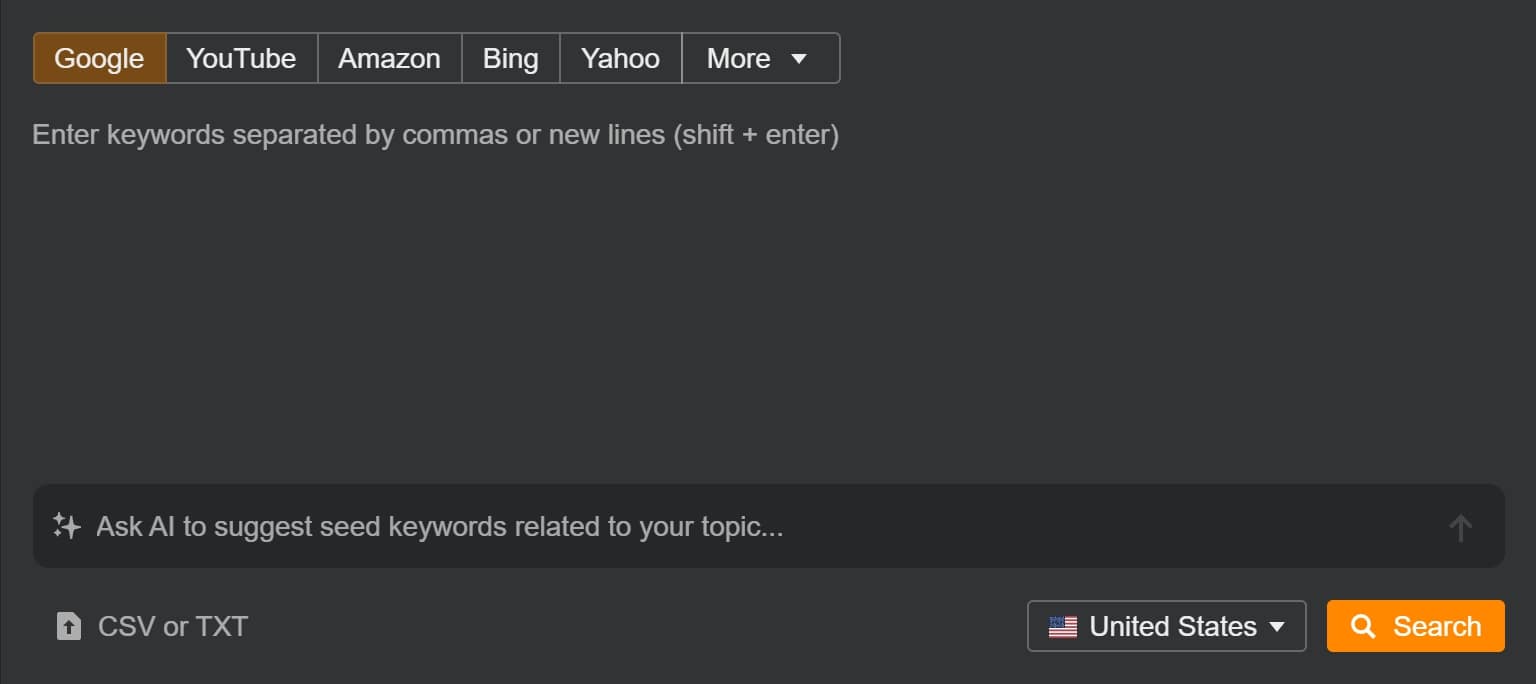
For car dealerships, the list might look something like this:
- Car dealerships
- Car dealers
- Car dealerships near me
- Car dealers near me
That's a shortened version. When you're doing this yourself, you'll want to shoot for a list of 10-20 keywords / key phrases. Then we click the search button.
The tool provides estimated search volume and keyword difficulty. Ahrefs describes KD as a backlink-based estimate for top-ten organic results that excludes on-page factors. KD 0 means neither zero competition nor an assured ranking; use it alongside the current results and the customer task.
It only took me 5 minutes to find some gems like:
1. Used Cars Near Me
- Search Intent: Purchase
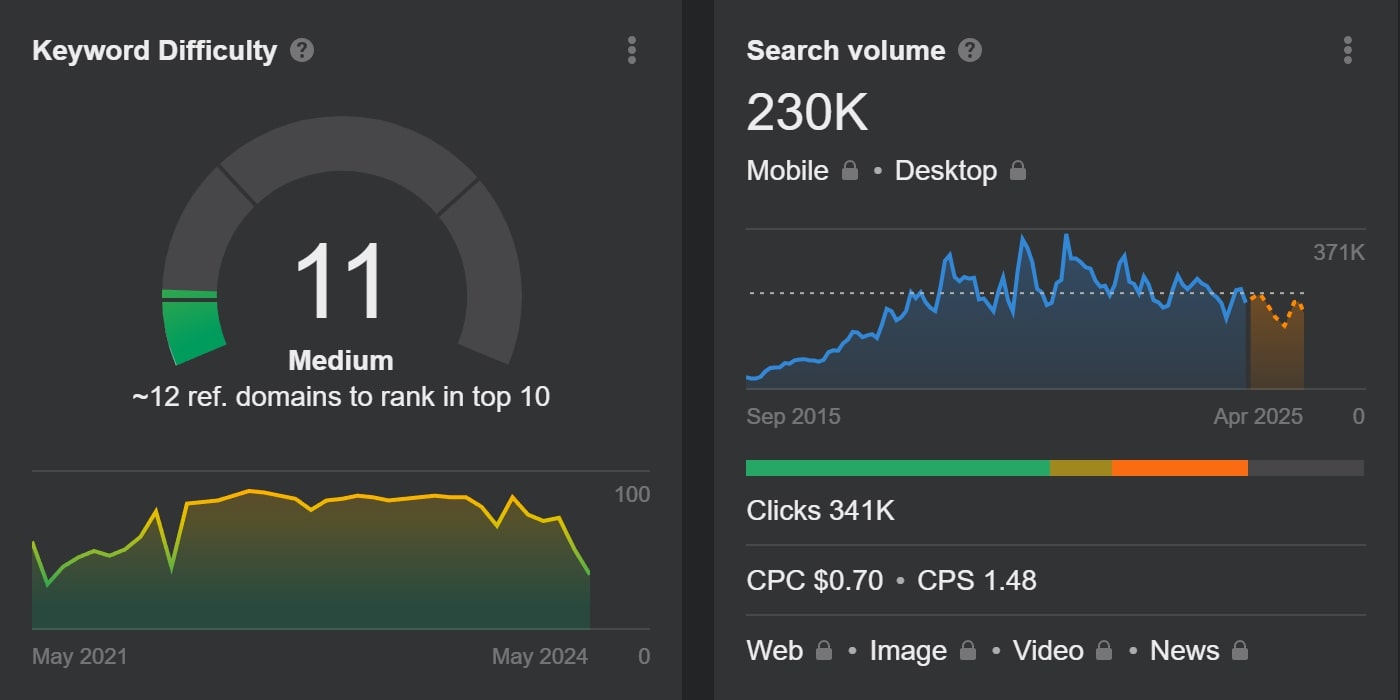
- Volume & KD: 230,000 searches per month, KD of 11/100
- Why It's Chosen: An inventory destination can help visitors compare actual vehicles, check availability and choose a way to ask about one.
2. Buy Here Pay Here
- Search Intent: Purchase
- Tool Estimates: The archived screenshot below illustrates search volume and keyword difficulty. Check current estimates and search results for your chosen market before using this phrase.
- Why It's Chosen: Use this term only when it accurately describes the dealership's offering, and explain the actual process and contact options clearly.
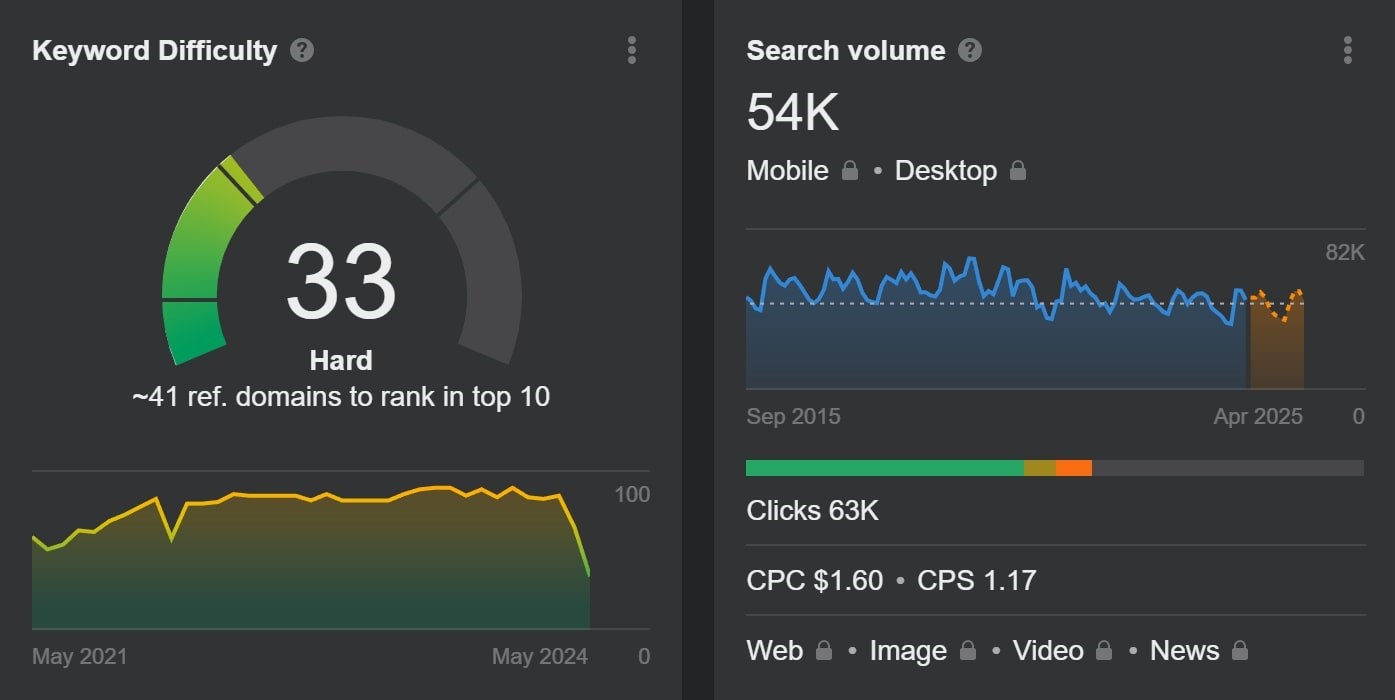
3. Car Dealerships
- Search Intent: Purchase & Information
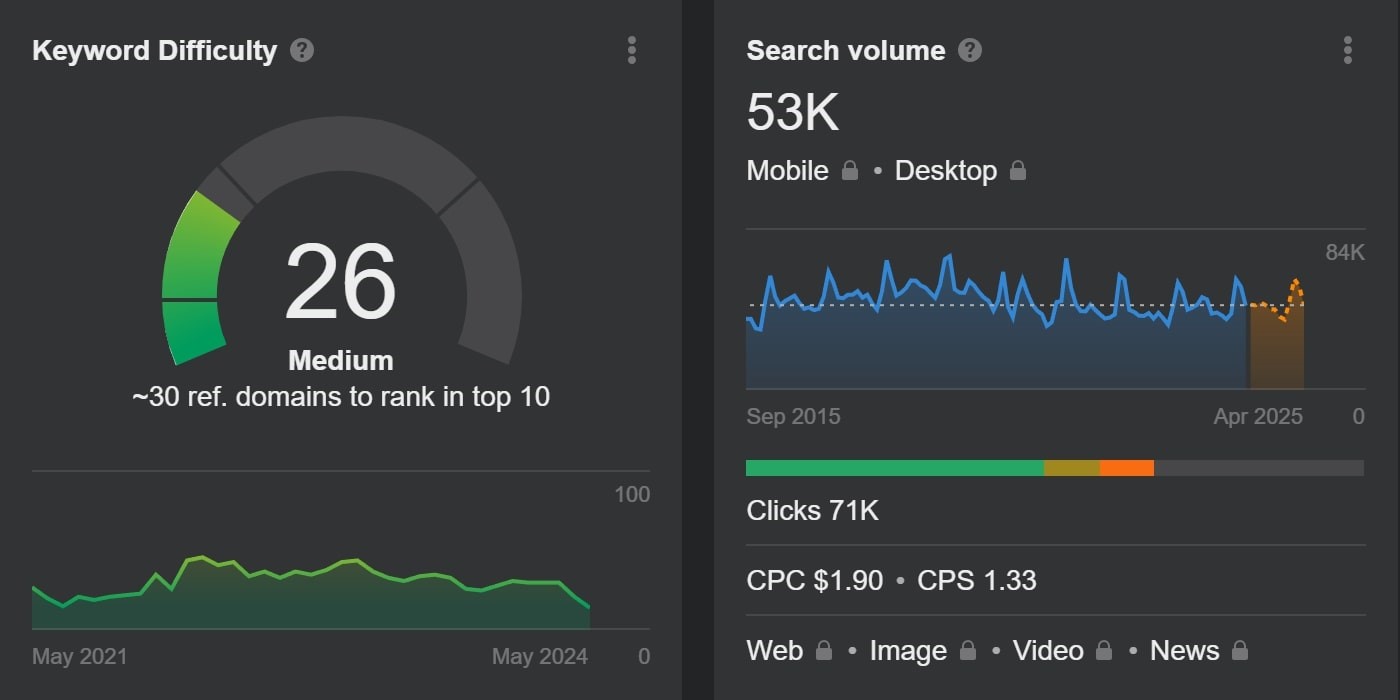
- Tool Estimates: The archived screenshot below illustrates search volume and keyword difficulty. Check current estimates and search results for your chosen market before using this phrase.
- Why It's Chosen: Compare the current results for related phrases, then choose the page that best answers the customer question.
Best Car Dealership Keywords to Rank For
Here are query patterns to investigate for the inventory, services and locations your dealership actually covers:
- car dealer + [CITY]
- used cars [CITY]
- certified pre-owned + [CITY]
- new cars + [CITY]
- auto financing + [CITY]
- car repair + [CITY]
- auto service + [CITY]
- oil change + [CITY]
- car trade-in + [CITY]
- vehicle inspection + [CITY]
- car loans + [CITY]
- luxury cars + [CITY]
If you look these keywords up for your city, you might wonder why these are better. Most of these have lower search volume. The reason is twofold:
- Match the geographic focus to the dealership's actual sales and service footprint.
- Local specificity can make a page more relevant to the dealership's actual services; competition still needs to be checked in the current results.
The idea is to reach buyers the dealership can realistically serve. Use its actual customer locations and operating arrangements to decide when local or wider-area content is useful.
Optimize Your Car Dealership Website for SEO
Alright, you've got some keywords you want to rank for in your city, now what?
Plan useful pages around the information customers need, and investigate technical access or presentation problems that prevent them from using those pages.
Use accurate service and inventory language naturally, with descriptive titles and headings. There is no keyword-repeat interval to meet. Google's SEO Starter Guide explains why excessive repetition and mechanical optimization targets are unhelpful.
But keep this in mind:
Google's systems generally assess individual pages and also use site-wide signals. Give an inventory page and a trade-in guide their own clear purposes, even when their subject matter overlaps. Use query/page evidence and the visitor's task to decide whether to clarify or consolidate content.
Give each page a clear purpose. More pages are useful when they answer distinct questions or present accurate inventory and service information, rather than repeating near-identical keyword variants.
A guide or article can be one way to answer a customer question when the existing pages do not already do so.
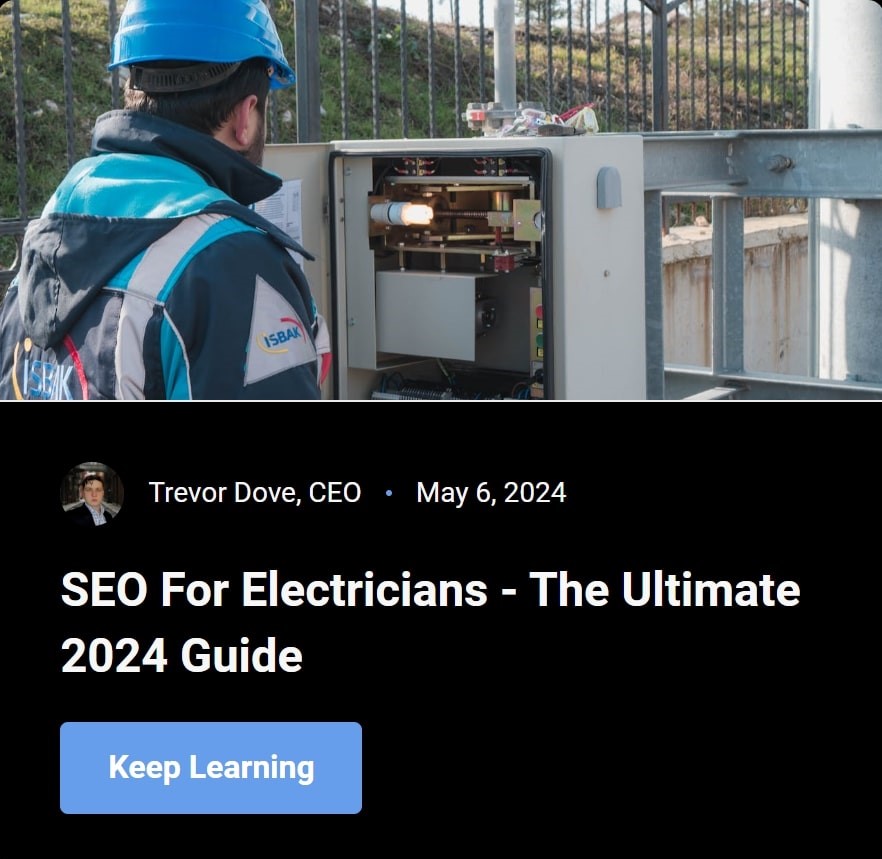
Choose topics that help people evaluate a vehicle, service or buying decision, and use information the dealership can verify.
Think about it like this:
A simplified dealership website might group information into sections such as:
- Home
- Inventory
- About
- Service
- Contact
Those sections are an illustration, not an inventory of a typical dealership's URLs. Vehicle listings and other useful information may have their own pages.
Now think about a blog.
Count published pages as work delivered, then separately check which pages are indexed, receive relevant visits and help answer customer questions. Google's AI search guidance emphasizes useful original work rather than page volume.
You can use a guide to:
- Explain a buying or service process in language customers can follow.
- Compare a model's features using accurate source information.
- Provide a useful reference before or after a conversation with the team.
Ask the sales or service team which questions they repeatedly explain. A clear answer on the website can become a reference they share when that question comes up again.
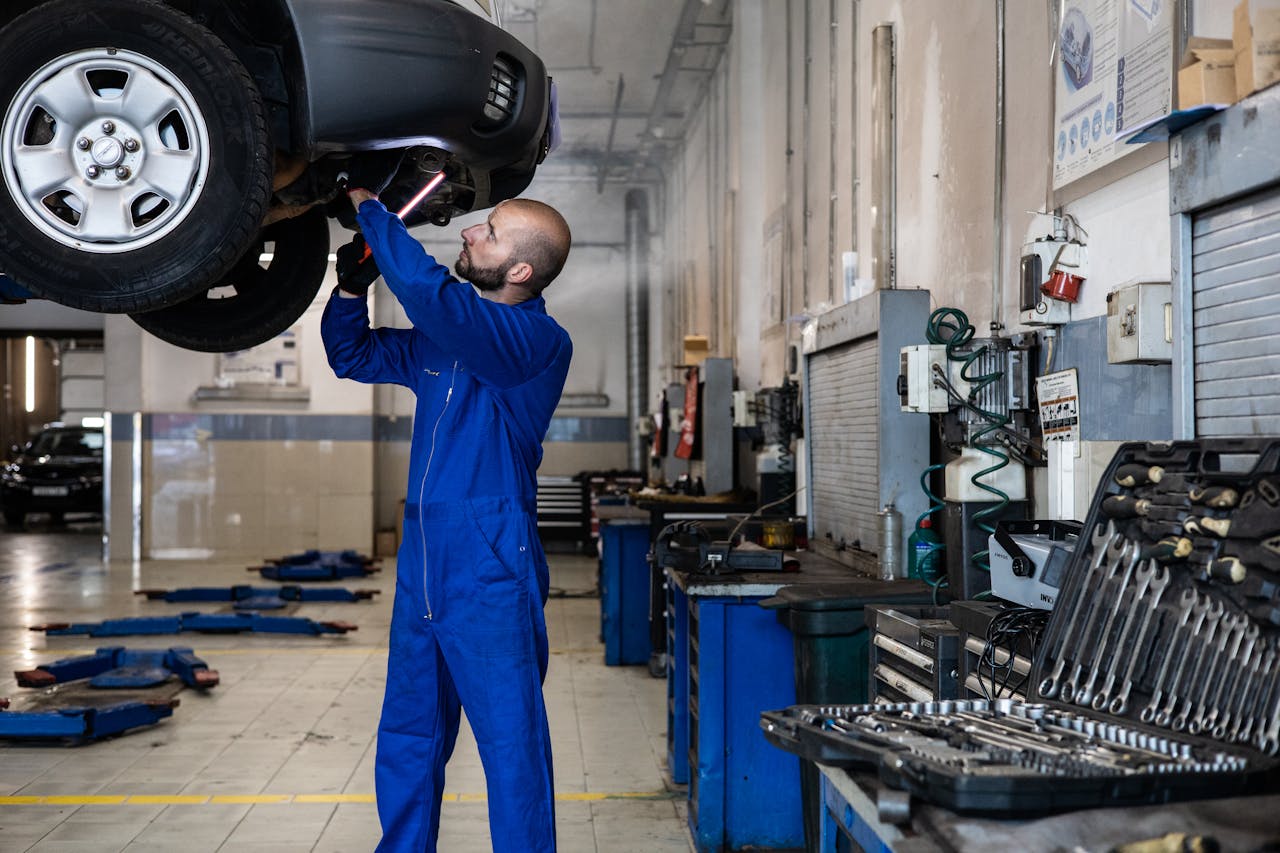
Producing and maintaining accurate guides still takes work: research, business input, writing, review and updates all have a cost.
Use the time and budget you actually have, and improve an existing useful page when that addresses the customer question better than a new article.
So, how do you write good SEO creative content anyway?
How to Put Out Great Car Dealership Content
1. Evaluate the Work Before Choosing a Writer
I'll start this by saying there are expert writers you can pay to write your content for you. Some of them even do it pretty cheap.
Here's the deal:
If you hire someone to write your articles for you, they'll need to understand your business very well.
Give a writer accurate business information and identify who will check the draft. Assess research, clarity and factual support alongside the price.
Check that the writer can research the topic, identify uncertainty and work with someone who understands the dealership's actual operations.
An agreed paid sample can help evaluate research, accuracy and clarity before committing to ongoing work. Define the task and review criteria first.
For a vehicle comparison, for example, ask the reviewer to check the model year, specifications, source links and how the article describes the dealership's own services.
Think about it from the reader's perspective. If you were in their shoes, would you read an article from someone who's not an expert on the topic? Someone who knows no more than you?
If writing is not a task you want to handle, keep a named business reviewer involved so the finished article reflects how the dealership actually works.
It's work, but those extra steps are what separate the top players from the rest.
And compared to dealing with heat cases and the normal snafus of running a dealership, it's a pretty relaxed gig.
I mean, don't get me wrong:
It's possible to hire someone out and have them do a good job, they'll just need to understand the business very well.
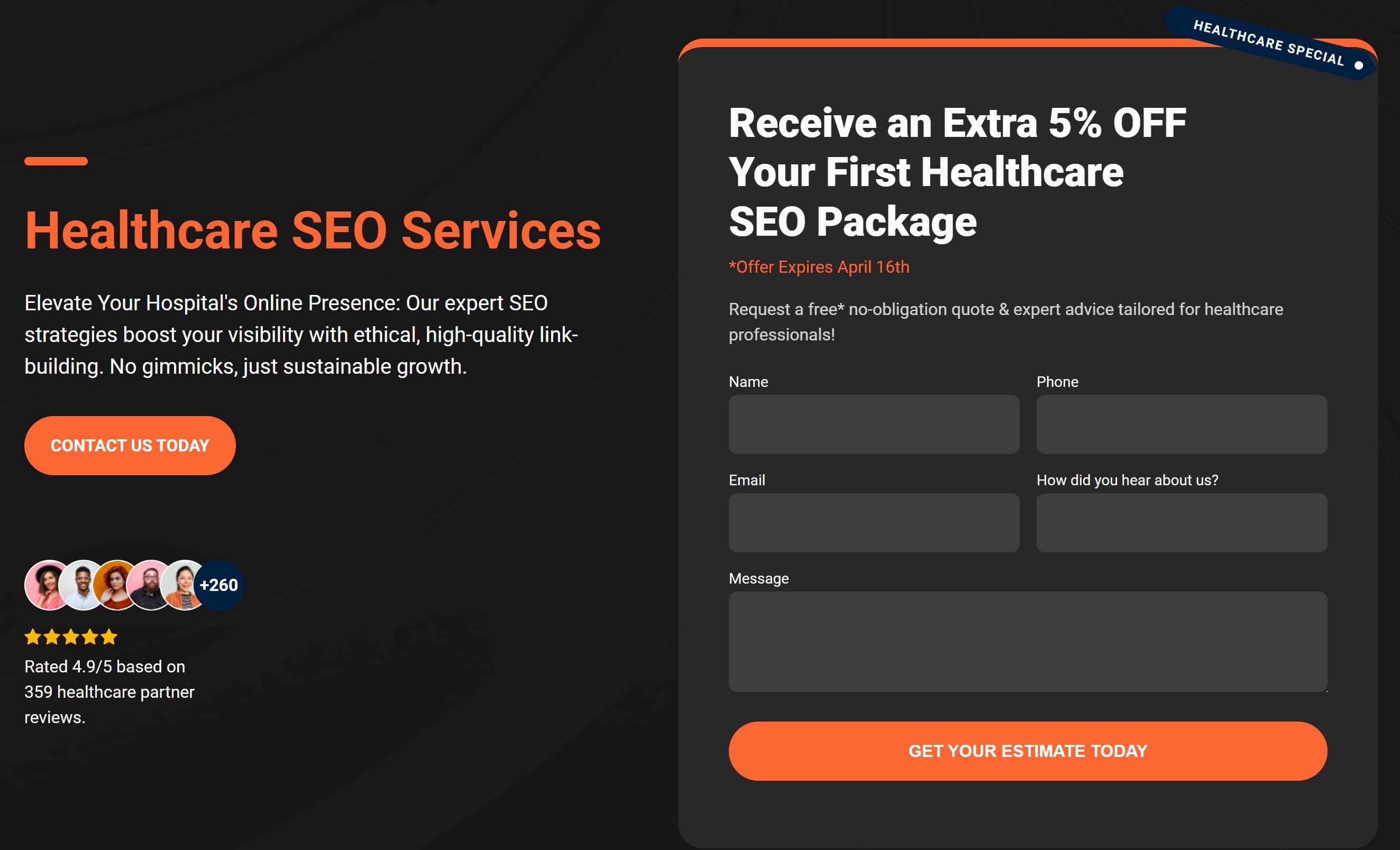
For example, Win at Healthcare presents an industry-specific service offering. Relevant experience is worth investigating when choosing a writer or provider.
The screenshot illustrates that positioning. When comparing providers, review an actual writing sample and the sources behind it too:
Same applies to car dealerships.
Choose a sample task long enough to show how the writer researches and explains the subject. Set its length around the question, then check the facts and usefulness of the answer.
To you, these posts may just be another way to market your dealership.
But remember, they'll be representing your business on the biggest marketing platform in history.
The right question to be asking yourself is "Do I feel comfortable with this person representing the dealership?".
Use that review to decide whether the writer is a fit and what business input future drafts will need.
2. Know Your Customer
Great, so you've got someone to write your articles.
But what do you write about?
Again, you'll need to think about it from the reader's perspective. If you were someone looking to buy a car, what kind of posts would you actually read?
Off the top of my head, I can think of a few that would be pretty appealing:
- The pros and cons of your dealership's best-selling model.
- A guide on how to pick a new car
- A guide on how to trade in your car for a new one
Now, these might seem very basic and obvious to you and me, but not everyone knows these sorts of things. These are people wanting help buying a car, so writing for them makes sense.
For a trade-in guide, explain what information the customer should prepare, how to contact the team and which parts of the process need an individual discussion. Have the dealership approve those details.
Choose the next update from a recurring customer question or a gap in an existing page. Review discovery, accepted inquiries and maintenance effort before increasing output.
But remember:
SEO is a marathon, not a sprint. Results can take months to see the full effects. Stay patient and trust the process. This is a long-term investment in your dealership's success.
Local SEO for Car Dealerships
Good news:
Now review the places customers use to find the dealership and check its details.
Start with the listings you already have. Record who controls each account and which information needs correction.
Local citations are listings on websites like Yellow Pages or Yelp.
The reason we want to get these citations is twofold:
- It helps people find you in more places
- A listing may also link to your website where the platform supports it.
Backlinks are links from other websites. Relevant references can help people and search engines discover a useful page.
Choose listings for relevance, eligibility and customer use, and track the accuracy of the information submitted. Google's spam policy distinguishes legitimate discovery from manipulative linking practices.
But if spending countless hours uploading pictures, writing descriptions, and adding contact info to dozens of sites isn't your idea of a fun time, I'm with you.
Luckily, you don't actually have to do it all yourself.
Services such as BrightLocal offer help with selected listings. Check the provider's current pricing and scope against the information gaps you identified before purchasing.
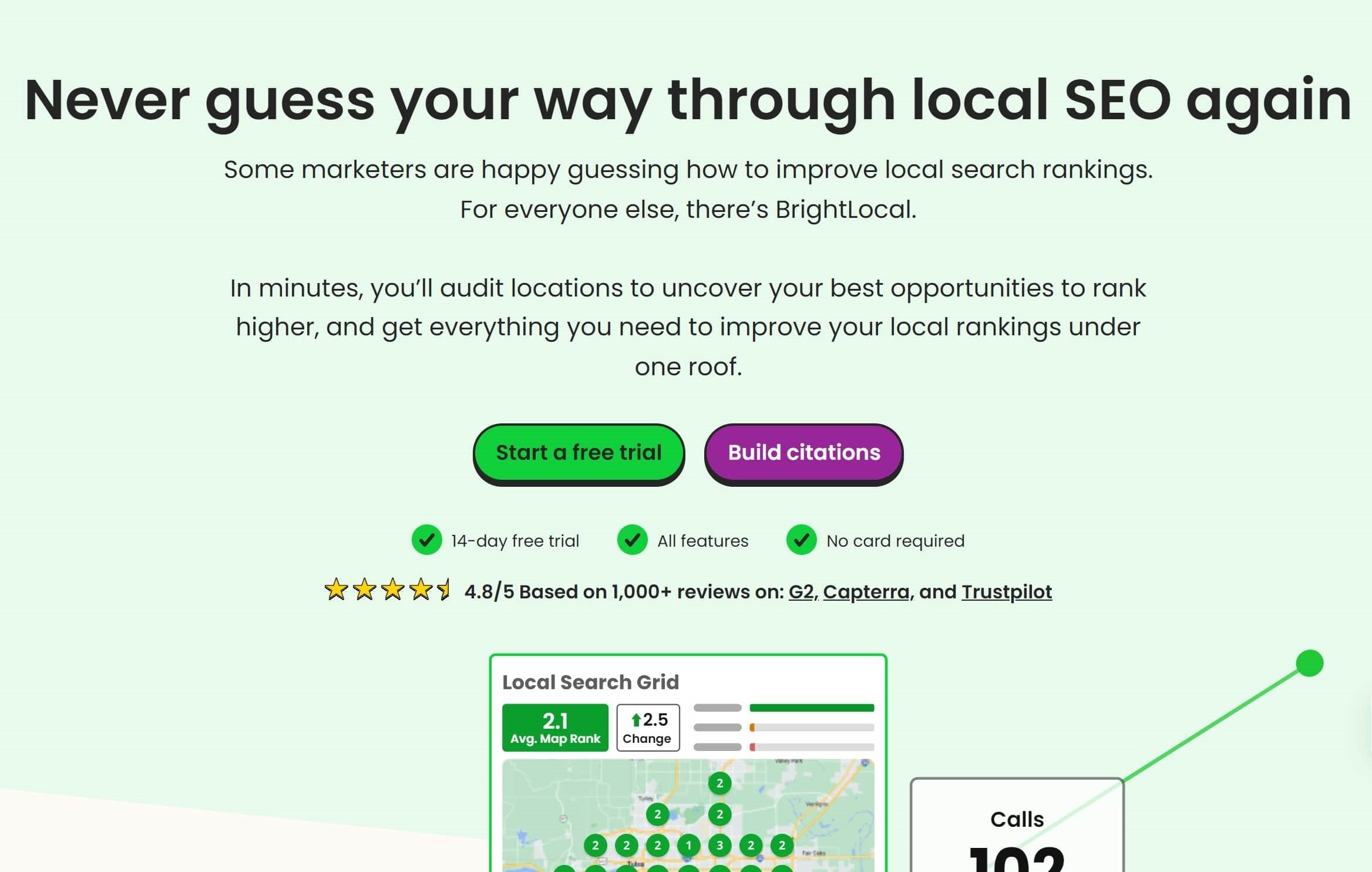
Not bad.
Once the selected listings are accurate, what should you review next?
An eligible Google Business Profile is another part of the local presence to review, alongside the website and other accurate business information.
Google Maps
Google Maps is important. Really important.
Of course, it's important for customers to know how to get to your dealership, but there's something else.
Go ahead and look up "Car dealerships near me".
Check the business details and destinations people encounter: Does the profile describe the dealership accurately? Does its website link lead to a useful page? Can customers find current contact information?
So, how do you optimize for Google Maps?
How You Can Optimize Your Google Business Profile for Local SEO
1. Make a Google Business Profile and Optimize It
Your Business Profile presents dealership information on Search and Maps.
Check whether the dealership already has a profile and use Google's official instructions to claim or manage it. Avoid creating a duplicate profile.
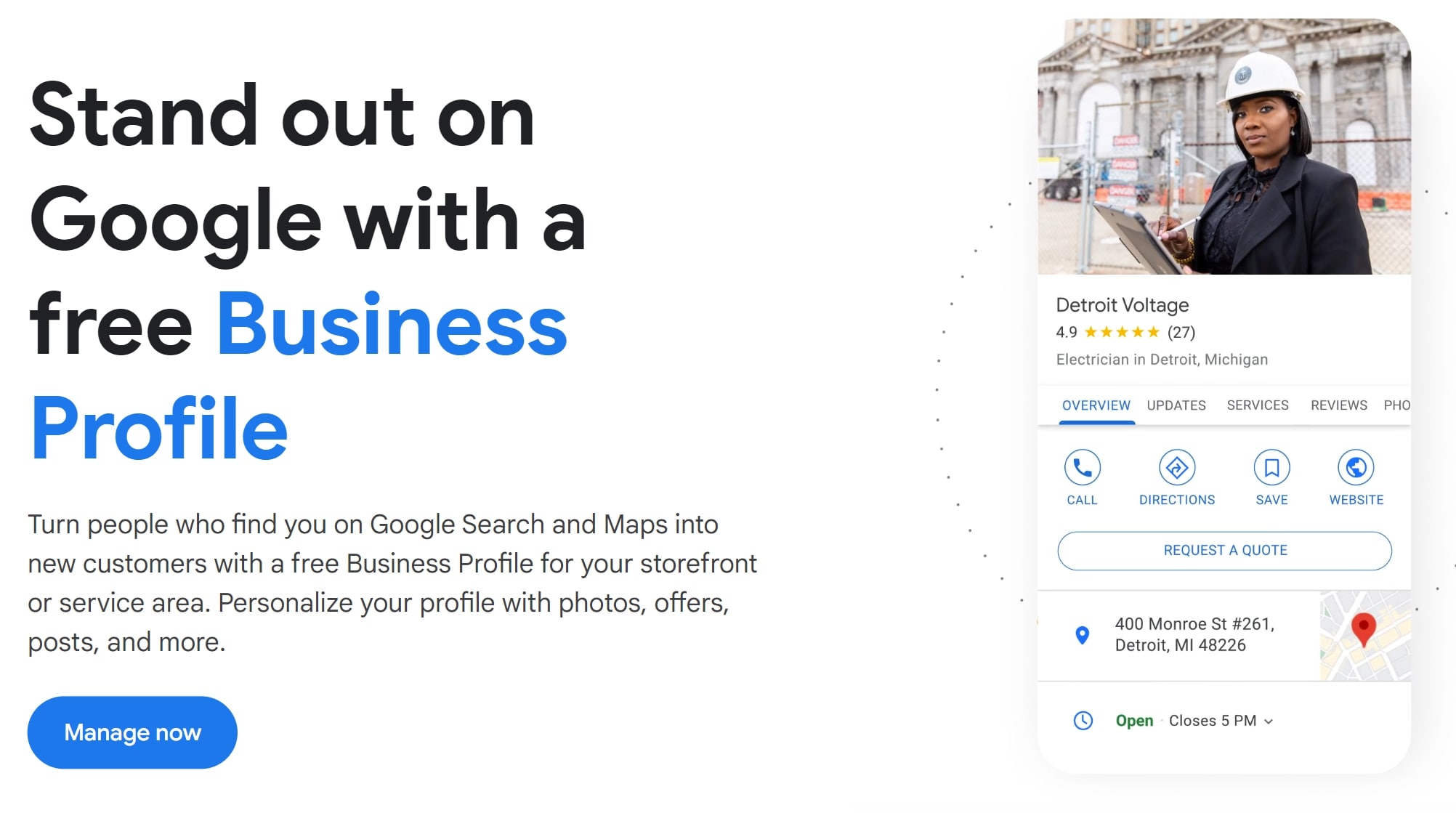
Follow the eligibility and verification requirements, then check the address, opening hours, phone and website against the dealership's actual operations.
Choose the most accurate primary category and only additional categories that genuinely describe the core business. Google's representation guidelines call for the fewest categories needed, rather than adding categories for volume.
2. Invite Honest Customer Feedback
Give customers a simple way to describe their experience.
You can make a neutral, voluntary invitation for feedback part of the sales and service process.
A long-time customer comes in and gets an oil change? Do a great job and ask for a review.
Invite feedback from people with a genuine experience, without a per-sale review target or pressure to submit while at the dealership.
Read the feedback for recurring questions or service problems the team can address. Google's local-ranking guidance describes reviews within the broader picture of relevance, distance and prominence.
Follow Google's review policy: avoid incentives, selective positive-review requests, required wording, pressure and staff review-solicitation quotas. Keep requests focused on honest feedback rather than a quantity competition.
3. Share Useful Business Profile Updates
This is the easiest part of the whole process. Your Google Business Profile allows you to post updates for your dealership. They're a lot like social media posts.
Share a genuine announcement, an accurate offer or an event that helps customers decide what to do next. Google's post guidance describes the available formats and their use.
Choose a manageable cadence, check dates and destinations, and keep information current. Evaluate useful customer actions separately from posting frequency.
How Much Does SEO for Car Dealerships Cost?
An SEO proposal should define the website's starting point, priorities, deliverables, review process and costs. This guide does not establish a current market-average price for dealership SEO.
But you can get the basics for relatively cheap.
Sparrow's website plans distinguish a managed brochure website from a separately scoped SEO campaign. Premium's monthly content improvement is not a complete SEO campaign. Dealership inventory, booking systems, integrations or migration need their own agreed scope; the brochure plans do not automatically include them.
Conclusion: The Future of SEO for Car Dealerships
Start with the website or discovery problem you can actually identify. Your team may be able to improve a page, your current provider may handle a repair, or a separately scoped project may be useful.
Bring the relevant pages, customer questions and what you know about inquiries to a project discussion. Compare the proposed work, available budget and ongoing responsibilities before choosing the next step.


